
Understanding Hot Flashes and Menopause
Overview of Hot Flashes and Causes
We have what you’ve been looking for – 10 foods that fight hot flashes and can help you to better manage menopause symptoms.
Hot flashes are sudden feelings of warmth, which are most commonly experienced in the face, neck, and chest. These episodes can also lead to sweating and a reddening of the skin, known as night sweats. Hot flashes are a type of vasomotor symptom that can occur during menopause due to hormonal changes in the body. The exact cause of hot flashes is not fully understood, but they are believed to be linked to a decrease in estrogen production. Hormone levels can fluctuate during menopause, leading to changes in blood flow and body temperature regulation. Factors such as spicy foods, hot drinks, and sugary foods can trigger or worsen the frequency and how you experience hot flashes.
Physiological Changes During Menopause
Statistics show that approximately 75% of women going through menopause experience hot flashes, with some reporting mild to severe symptoms lasting up to ten years. These occurrences are triggered by hormonal changes, particularly a decrease in estrogen levels. Hot flashes can occur at any time, day or night, and can vary in frequency and intensity.
During menopause, the body undergoes hormonal shifts and physiological adjustments that contribute to the onset of hot flashes. Various factors can worsen hot flashes, including spicy foods, hot drinks, and sugary foods. In addition, incorporating cooling foods like may help alleviate symptoms by stabilizing blood sugar levels.
Impact of Diet on Hot Flashes
Role of Diet in Hot Flash Management
The foods that we eat can have a significant impact on our bodies, including how we experience hot flashes. Hot flashes are a common symptom experienced by many women during menopause. Some foods can help mitigate their frequency and intensity. By incorporating specific foods into your diet, you can potentially reduce the severity of hot flashes and improve your overall health.
Foods like whole grains, leafy greens, and healthy fats can help regulate blood sugar levels and hormonal changes that may trigger hot flashes. Foods rich in fatty acids can also help with blood flow and hormone levels, potentially reducing the frequency of hot flashes. Soy products contain phytoestrogens, which mimic the effects of estrogen in the body and may help alleviate vasomotor symptoms like hot flashes.
While diet alone may not completely eliminate hot flashes, it can play a significant role in managing them. By making mindful choices about the foods you consume, you can potentially reduce the intensity and how often you experience hot flashes, leading to a more comfortable menopausal experience. Keep in mind that individual experiences may vary, and what works for one person may not work for another. Nonetheless, incorporating these foods into your eating habits may offer some relief from the discomfort of hot flashes.
Plant-Based Foods and Hot Flashes
Plant-based foods, such as soy products, play a significant role in reducing the number of hot flashes in menopausal women. Soy contains natural plant estrogens called phytoestrogens that can help balance hormone levels in the body, potentially reducing the severity and frequency of hot flashes. Additionally, soy products like soy milk and edamame beans are rich in isoflavones, which have been linked to a decrease in vasomotor symptoms such as hot flashes and night sweats.
Other plant-based foods like whole grains, olive oil, and sunflower seeds are also beneficial in fighting hot flashes. These foods are high in healthy fats and fatty acids, which can help regulate hormonal changes and improve overall health. By incorporating these cooling foods into their eating patterns, women may experience fewer hot flashes and better control over their menopausal symptoms.
In recent years, studies have shown that incorporating soy and other plant-based foods into one’s diet can be an effective natural remedy for managing hot flashes during menopause. While more research is needed to fully understand the effects of these foods on menopausal symptoms, the good news is that many women have reported positive responses to these dietary changes.
Omega-3 Fatty Acids and Night Sweats
Some research suggests that omega-3 fatty acids may help regulate experienced hormonal changes. Omega-3 fatty acids, found in foods like walnuts and flaxseeds, can play a role in reducing the severity of menopausal night sweats. These healthy fats have been studied for their ability to support overall health during menopause.
By incorporating foods rich in omega-3 fatty acids into your diet, you may experience a decrease in the frequency or intensity of night sweats. While more research is needed to fully understand the effects of omega-3 fatty acids on menopausal symptoms, adding these foods to your meals can be a beneficial and natural way to potentially combat night sweats during menopause.
Foods that Help Combat Hot Flashes
Top Foods to Combat Hot Flashes
Hot flashes can be uncomfortable and bothersome for many women going through menopause. Fortunately, there are several foods that can help combat these symptoms. Here are 10 foods that fight hot flashes that you can add to your diet today:
- Whole Grains: Foods like brown rice and quinoa can help regulate blood sugar levels, which may in turn help reduce the intensity of hot flashes.
- Soy Products: Soy milk, tofu, or edamame beans contain phytoestrogens that mimic estrogen in the body, potentially helping to balance hormone levels and ease hot flashes.
- Fatty Acids: Sources like olive oil and sunflower seeds are rich in healthy fats that support overall health and may assist in controlling hot flashes.
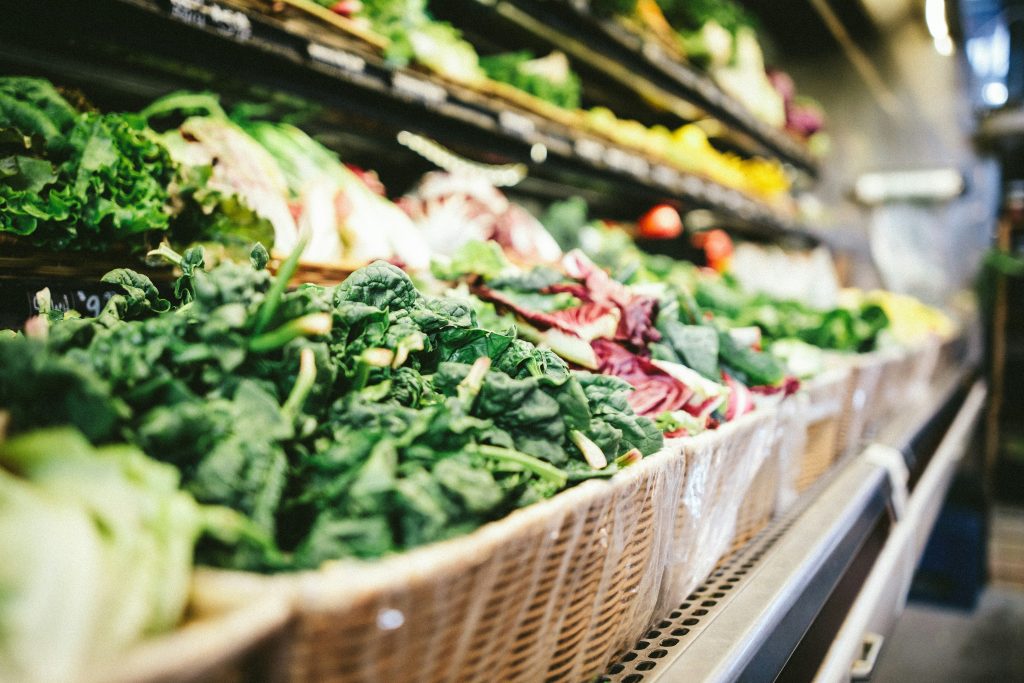
- Leafy Greens: Spinach, kale, and other leafy greens are packed with vitamins and minerals that can contribute to hormonal balance and reduce the severity of menopausal hot flashes.
- Fruits: Incorporating fruits rich in antioxidants into your eating pattern can support hormone levels and contribute to a reduction in hot flashes.
- Flaxseeds: Flaxseeds are rich in lignans, which can help balance hormones and reduce hot flashes.
- Nuts: Nuts like almonds and walnuts are rich in magnesium, which can help regulate body temperature and reduce hot flashes.
- Avocado: Avocado is high in healthy fats and vitamin E, which can help improve hormone balance and reduce hot flashes.
- Berries: Berries are high in antioxidants, which can help reduce inflammation and alleviate hot flashes.
- Turmeric: Turmeric contains curcumin, which has anti-inflammatory properties that can help reduce hot flashes.
Vitamin E – Rich Foods for Hot Flashes
Another way to combat hot flashes naturally is by incorporating vitamin E-rich foods into your diet. You can make a delicious spinach salad with sunflower seeds sprinkled on top and drizzled with olive oil. Another idea is to blend kale into a smoothie with almond milk and add a handful of almonds for an extra boost of vitamin E. You can also try making homemade pesto with pine nuts for a tasty and vitamin E-rich sauce to serve over pasta or grilled vegetables.
Including sesame seeds in your meals can also be beneficial for increasing your vitamin E intake. You can sprinkle them on top of yogurt or incorporate them into energy balls or granola bars for a nutritious snack. Incorporating these foods into your meals can help provide relief from hot flashes while supporting your body with essential nutrients.
Taking Charge: 10 Foods to Fight Hot Flashes
The incorporation of these 10 powerful foods into your daily diet can play a significant role in alleviating the symptoms associated with menopause. By focusing on a diet rich in these nutrient-dense foods, you can take proactive steps towards managing the effects of menopause and maintaining a healthy lifestyle.
These foods offer a natural and holistic approach to supporting women through this transformative stage of life. From the hormone-regulating properties of flaxseeds to the bone-strengthening benefits of leafy greens, the inclusion of these foods can contribute to overall well-being during menopause.
By embracing a diet that prioritizes these 10 foods, individuals can harness the power of nature to relieve symptoms such as hot flashes, mood swings, and sleep disturbances. Furthermore, the anti-inflammatory and antioxidant properties of these foods can have a positive impact on long-term health, making them valuable additions to any menopausal diet.
By embracing a diet abundant in these 10 foods, you can empower yourself to navigate the menopausal transition with resilience and vitality. Through the support of these natural allies, you can embark on a journey towards improved health and well-being during this significant stage of life.
Leave a Reply
You must be logged in to post a comment.